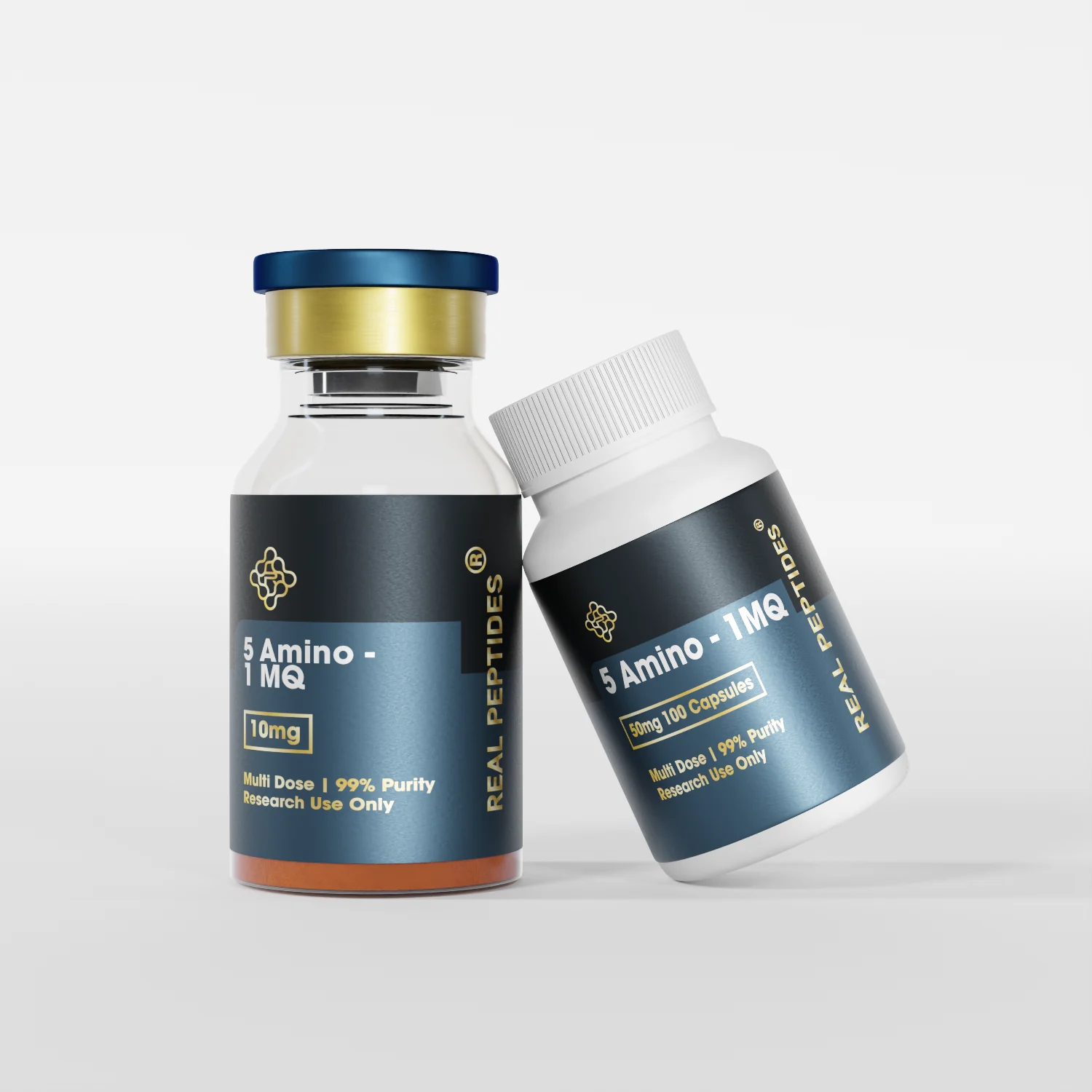
5-Amino-1MQ Peptide
5-Amino-1MQ is studied for its role in NNMT inhibition and metabolic research. Lab tested per lot.
5-amino-1mq research, capsule price and COA in 2026: what mouse studies show, how it compares to MOTS-c and NAD+, and why it is research use only.

Independently ranked by quality, purity and value.
5-Amino-1MQ is studied for its role in NNMT inhibition and metabolic research. Lab tested per lot.
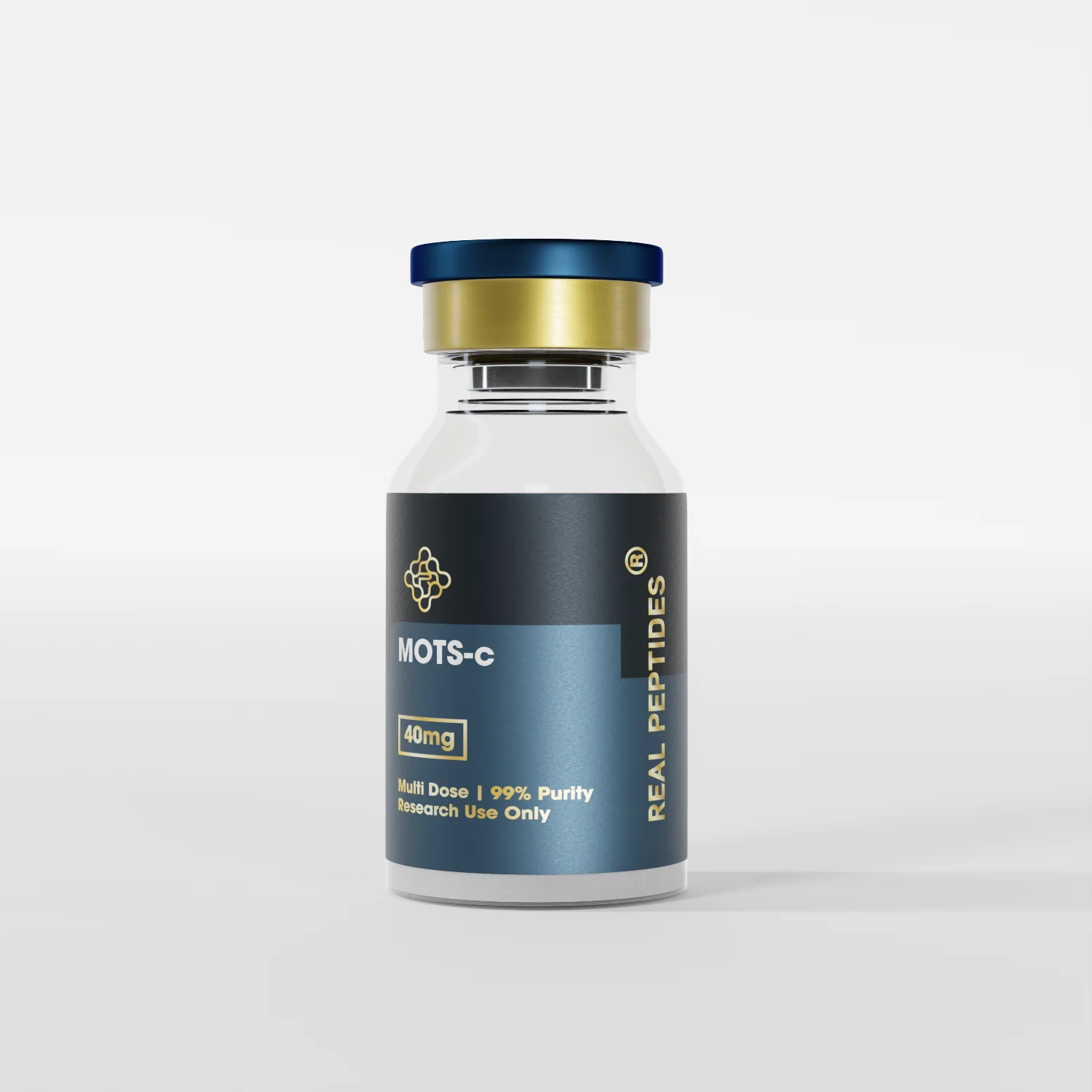
MOTS-c is a mitochondrial-derived peptide studied for metabolic and exercise-capacity research.
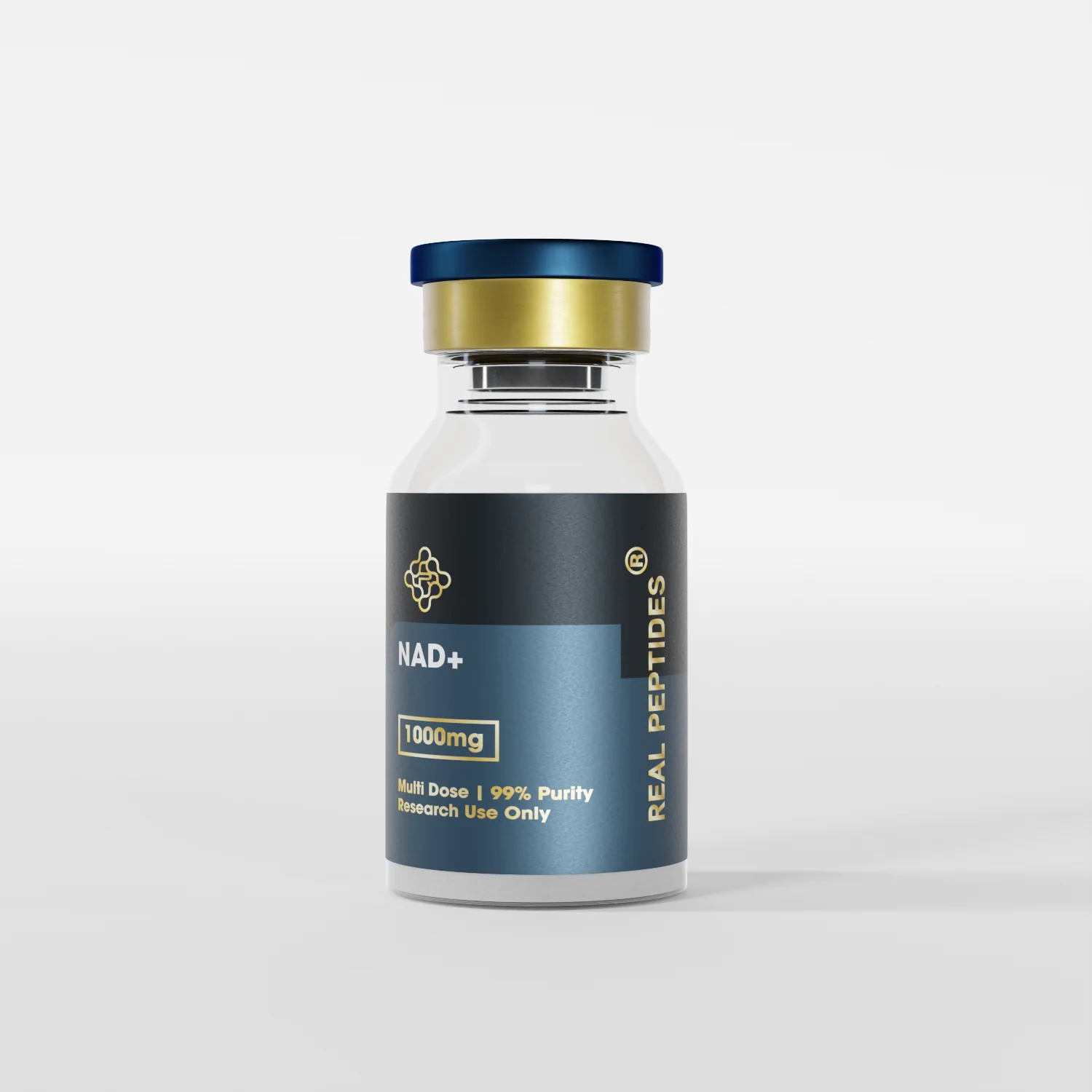
NAD+ research peptide in a multi-dose vial. Independent lab tested with COA published per lot. Ships from US stock.
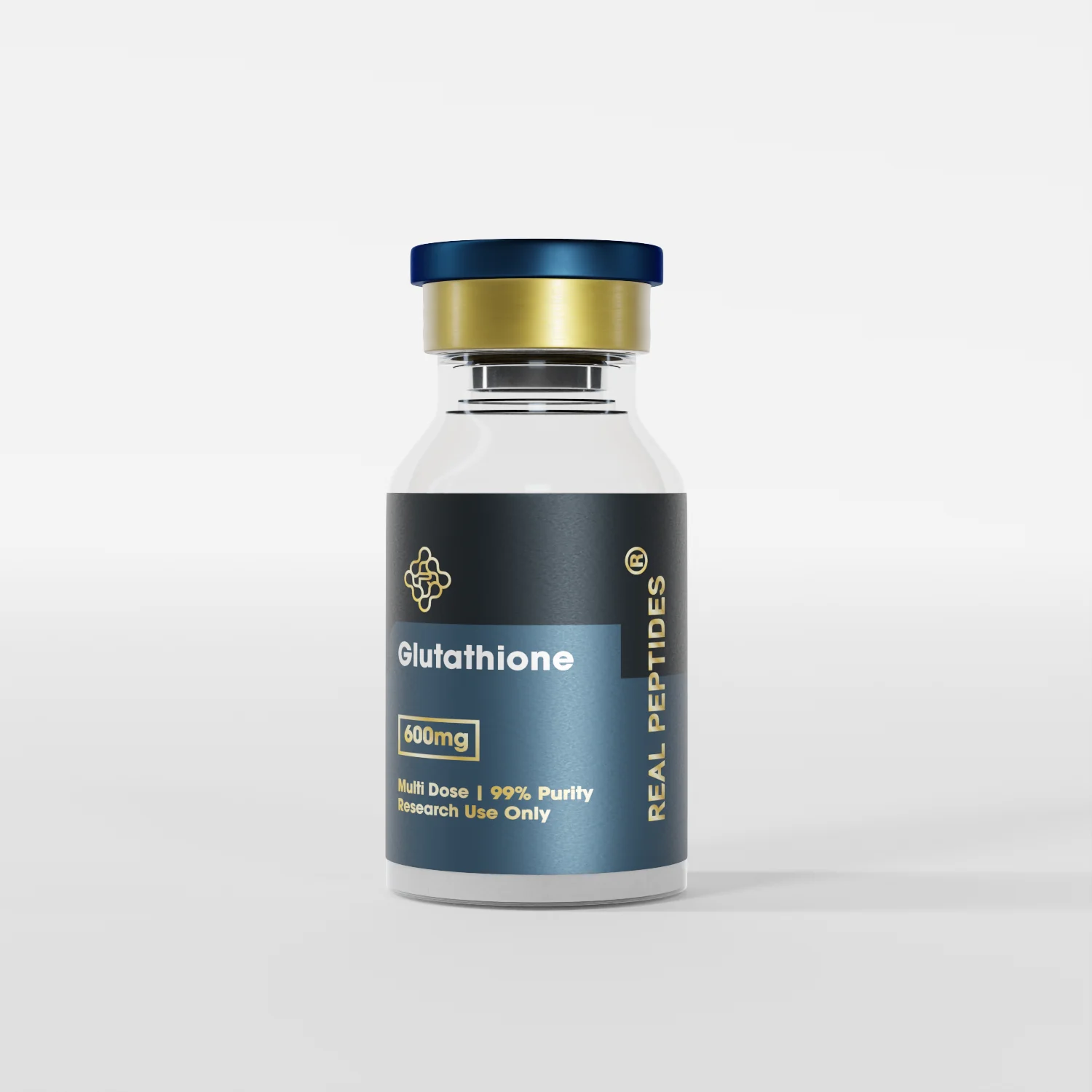
Glutathione research peptide — a major antioxidant studied for oxidative-stress support. Lab tested, COA published.
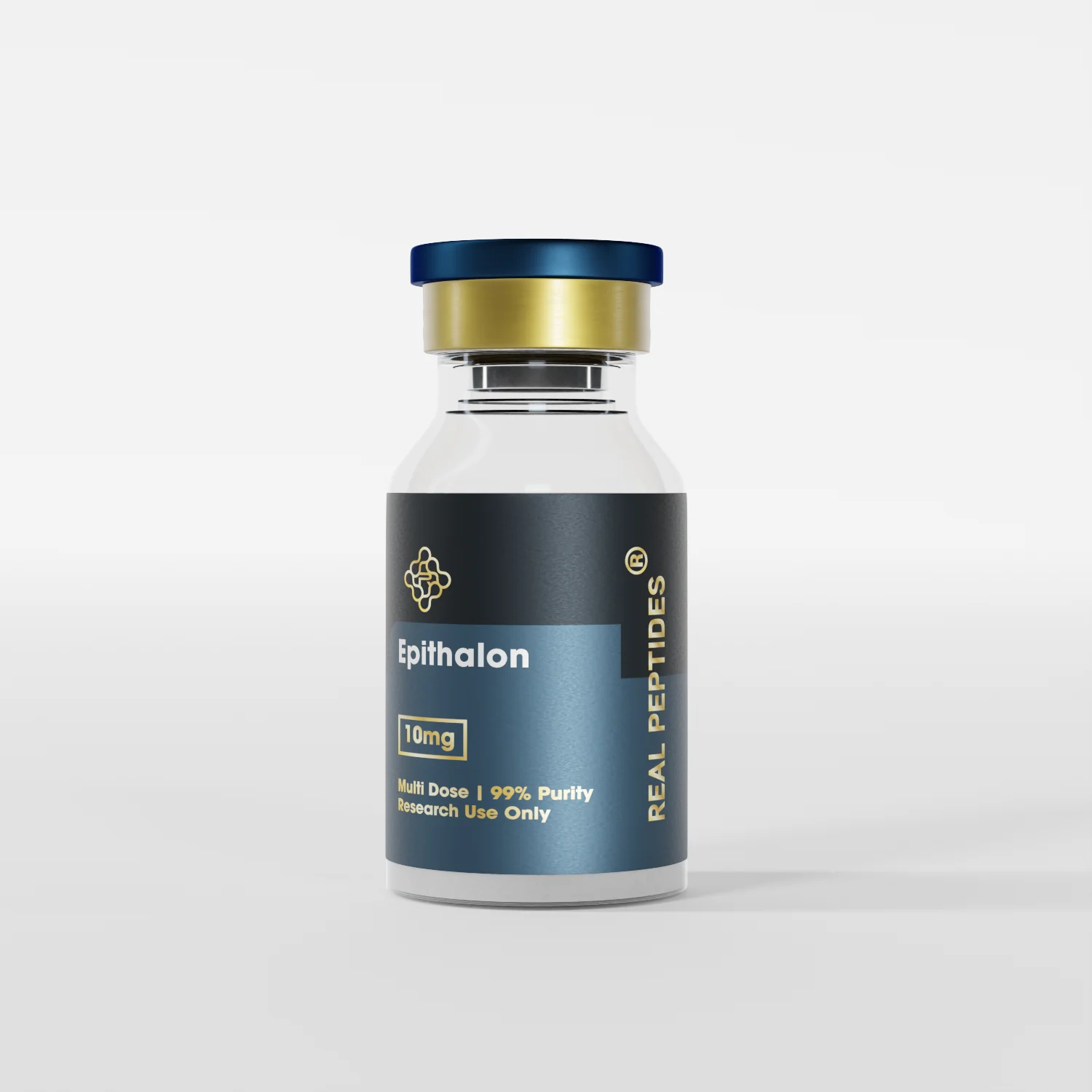
Epithalon (epitalon) is a tetrapeptide studied for telomerase activation and aging biology.
Order online; most orders arrive in a few days in discreet packaging.
Every guide is reviewed by at least one member of this panel before publication.
Science journalist who fact-checks every claim against primary literature and ensures our guides stay accurate after each update.
Runs HPLC and mass-spec validation on vendor COA claims. Eight years in pharmaceutical quality control.
Board-certified toxicologist with a focus on peptide metabolite profiling. Evaluates adverse-event reports and safety margins from preclinical data.
Endocrinologist and clinical researcher specializing in GLP-1 agonists, growth-hormone secretagogues and metabolic peptide therapies.
Every pick has a batch-matched certificate of analysis we can read.
We check that real potency matches what the label promises.
Simple, transparent formulas — no mystery fillers or additives.
Scored on real cost per serving, not just sticker price.
The 5-Amino-1MQ capsule we track from Real Peptides is listed at $33.60, ships from US stock and comes with a third-party certificate of analysis. That price puts 5-amino-1mq near the bottom of the metabolic shelf on cost, and near the bottom on evidence too. There are no published controlled human trials, and the compound is not FDA-approved for any use. It is sold for research use only.
This site covers what the mouse studies reported, what is still unknown about safety, how the capsule listing compares with related compounds such as MOTS-c and NAD+, and where the regulatory picture stood in late 2026. We compare vendor listings, COAs and FDA news as our day job, and we write for buyers who want the facts without the sales copy.
5-Amino-1MQ is a small molecule that blocks an enzyme called NNMT (nicotinamide N-methyltransferase). It is not technically a peptide, even though the vendor names the product "5-Amino-1MQ Peptide" and shelves it with peptides.
The reason is commercial more than chemical. The research-supply shops that sell MOTS-c, NAD+ and glutathione picked it up because it is discussed in the same metabolism circles. If you want the enzyme side explained without the marketing, our page on what NNMT is and how an inhibitor works covers it.
One practical consequence: buyers sometimes expect a freeze-dried vial. The 5-Amino-1MQ product we list comes as capsules, which is unusual on a peptide storefront and changes what you should look for on the label.
The research on 5-Amino-1MQ comes from mouse studies of diet-induced obesity, where the compound reduced fat mass and body weight. That is the headline finding, and it is animal data only.
Diet-induced obese mice are a standard lab model. They tell researchers whether a mechanism is worth pursuing. They do not tell anyone what happens in people, at what exposure, or with what side effects over months and years.
Product pages that turn these results into promises about human fat loss go well past the evidence. We separate the real findings from the add-ons on the 5-Amino-1MQ benefits page.
Real Peptides lists the 5-Amino-1MQ capsule at $33.60 with a third-party COA, US stock and the label "research use only". Before comparing it with other sellers, check the label and COA for capsule count and stated content, because a low sticker price means little if the fill is unclear.
US shipping is free on orders over $250. A single capsule order will not reach that line. Even one of each related compound on this site, 5-Amino-1MQ plus MOTS-c ($43.20), the NAD+ multi-dose vial ($60.00), glutathione ($40.80) and epithalon ($24.00), comes to $201.60, still short of the threshold.
The listing names its own main limitation: research use only. There is no physician involvement and no consultation, and that is how a research-compound listing should read.
Four other compounds from the same vendor sit in the metabolic and longevity group, and all of them carry a published third-party COA. Here is how the five listings line up on price.
| Product | Form | Size | Price | Price per mg |
|---|---|---|---|---|
| 5-Amino-1MQ Peptide | Capsule | Check label | $33.60 | Not stated |
| MOTS-c Peptide | Lyophilized powder | 10mg | $43.20 | $4.32 |
| NAD+ Peptide (Multi-Dose Vial) | Lyophilized powder | Multi-dose vial | $60.00 | Not stated |
| Glutathione Peptide | Lyophilized powder | 600mg | $40.80 | About $0.07 |
| Epithalon Peptide (10mg) | Lyophilized powder | 10mg | $24.00 | $2.40 |
MOTS-c is the closest comparison because both are discussed as metabolic research targets, but they work through different pathways. The 5-Amino-1MQ vs MOTS-c page sets them side by side, and the metabolic compounds comparison covers all four main items.
5-Amino-1MQ is not FDA-approved, and it was not among the compounds voted on by FDA's compounding advisory committee in July 2026.
On 23 July 2026 that committee voted 8-6, with 1 abstention, to recommend MOTS-c for the 503A bulks list, and on 24 July it voted 7-4 for epithalon. Those votes are non-binding. FDA still has to decide and then run proposed and final rulemaking with public comment, so none of this makes any compound approved.
On 24 August 2026 FDA sent warning letters to five online peptide vendors. 5-Amino-1MQ was not among the products named, but the agency said a "research use only" label does not settle the question. It looks at the whole website, and dosing guidance or disease claims count as evidence of intended human use. That is why this site carries no dosing at all, as our dosage page explains.
We list a 5-amino-1mq product only when the basic paperwork is in place. These are the same checks we suggest any buyer runs.
None of this makes a research compound safe for a person. If you are thinking about your own health, talk to your doctor rather than a product page.